
Reindeer
Symbol of the tundra and indispensable companion of the peoples of the North
About Reindeer
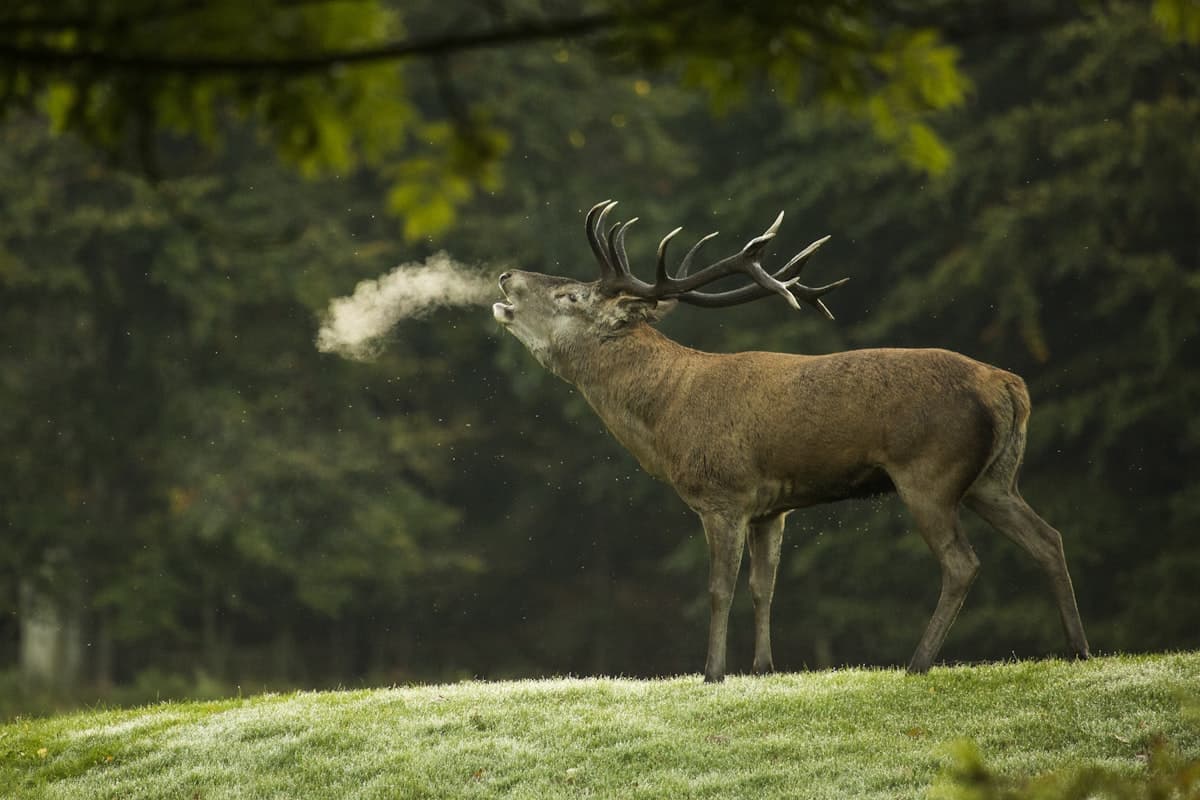
The reindeer (Rangifer tarandus) is an even-toed ungulate mammal of the deer family, the only domesticated species among deer. It lives in the tundra and taiga of Eurasia and North America.
Reindeer play a key role in the culture and economy of indigenous peoples of the North: Nenets, Sami, Evenki, Chukchi, and others. They provide meat, hides, milk, and are used as transport.
In North America, the wild form is called caribou, and the domesticated form is called reindeer. In Eurasia, domesticated and wild reindeer have coexisted for thousands of years.
Habitat

Reindeer inhabit Arctic and subarctic zones: tundra, forest-tundra, and northern taiga. Their range covers Scandinavia, northern Russia, Siberia, Alaska, Canada, and Greenland.
They are adapted to harsh climate: thick fur with hollow hairs retains heat, wide hooves allow walking on snow and bogs, and in winter reindeer dig for lichen (reindeer moss) under the snow.
Reindeer migrations are among the largest of any land mammal. Some herds travel thousands of kilometres each year in search of grazing grounds.
Biology
An adult male weighs 100–200 kg, a female 60–100 kg. Both males and females have antlers; females have smaller ones. Antlers are shed and regrow every year.
Reindeer feed mainly on lichens (reindeer moss), grass, shrub leaves, and mushrooms. In winter they dig through snow with their hooves to reach lichen.
The rut takes place in autumn. Pregnancy lasts about 7.5 months. Calves are born in spring and can follow the herd within hours.
Culture & Reindeer Herding

Reindeer herding is the traditional livelihood of the Nenets, Sami, Evenki, Chukchi, Koryaks, and other peoples. The reindeer is a source of food, clothing, material for dwellings (chums), and transport.
Among the Nenets, the reindeer is considered a sacred animal. Herders migrate with their herds across the tundra, travelling on sleds pulled by reindeer. Reindeer meat and blood are dietary staples.
In Scandinavian and Soviet culture, the reindeer is associated with winter holidays and folklore. Santa Claus's reindeer pay tribute to the tradition of reindeer as a symbol of the winter North.
Fun Facts
- Reindeer are the only deer in which both males and females have antlers.
- Their fur is hollow—this improves insulation and helps them float when crossing water.
- Reindeer eyes change colour: golden in summer, blue in winter, helping them see better in the polar dark.
- Reindeer can detect ultraviolet light, which helps them find lichen and spot predators.
- Wild caribou in North America migrate up to 5,000 km per year—among the longest of any land animal.